

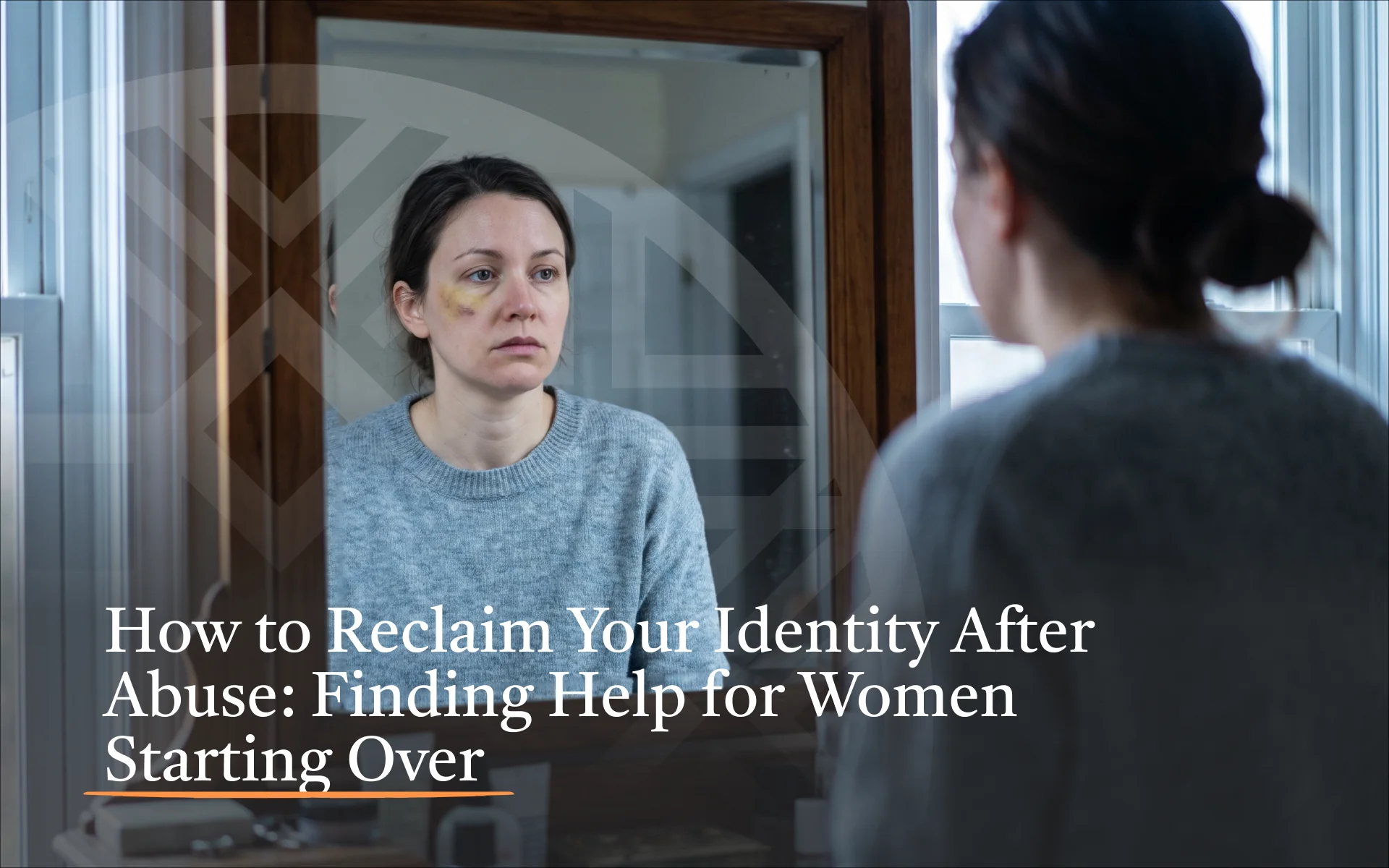
Starting over sounds hopeful, doesn’t it? But when you have come out of an abusive relationship, it can feel surprisingly complicated.
You may suddenly have decisions waiting for you, that you have not been handling for a long time. What do you want to do with your career? Who do you want around you? What makes you happy? What kind of life do you actually want?
You might not know the answers yet. And that is completely okay.
Finding yourself again is not about rushing into a new life or pretending the past did not happen. It is about taking the time to understand yourself, make choices for yourself and work out what feels right for your future.
If you are looking for help for women starting over, proper support can make that process feel less overwhelming. Reclaiming your identity is not about becoming the person you were before the abuse. It is about discovering who you are now, what matters to you and what you want your future to look like.
Sometimes, having someone to talk to is all you need to take the first step.
Abuse Can Change How You See Yourself
Abuse can affect much more than your emotional wellbeing. Over time, it can influence the way you see yourself, your abilities and even your place in the world.
Perhaps your choices were regularly dismissed. Maybe you were discouraged from working, studying or spending time with certain people. You may have been told that you could not manage things on your own.
When this happens for a long time, it can become difficult to separate what you genuinely believe about yourself from what you have been made to believe.
Having the freedom to make your own choices gives you an opportunity to question those old ideas. You can begin asking yourself what you enjoy, what you value, and what drives you. This way your choices are based on your personal identity.
That process may take time, and there is no need to rush it.
Reclaiming Your Identity Starts With Getting to Know Yourself Again
When life has revolved around surviving or managing an abusive situation, your own interests may have been pushed into the background.
You might have stopped doing things you once enjoyed. Perhaps you no longer remember what you liked before your relationship became difficult. Or maybe you have changed so much that your old interests no longer feel like they fit.
That is okay.
This new chapter can be an opportunity to explore.
Try something you have always wanted to try. Pick up an old hobby. Read about a subject that interests you. Visit somewhere new. Spend time with people who allow you to be yourself.
None of these things has to become a major life project.
Sometimes, identity comes back through ordinary moments. You notice that you enjoyed a particular activity. You realise that you have an opinion you want to express. You make a decision without asking someone else for permission.
Little by little, those moments can help you understand yourself again.
Also Read: How to Know When It’s Time to Go to Therapy
Give Yourself Permission to Make Different Choices
After abuse, you may feel pressure to have everything figured out.
Perhaps you think you should already know what job you want, where you want to live or what your next relationship should look like.
You do not.
Navigating change in life rarely happens in a straight line. You are allowed to change your mind, try something and decide it is not for you, or take a break before making another decision.
Try replacing the question ‘What should I do?’ with ‘What feels right for me?’
That small change can help you move away from living according to other people’s expectations and towards making decisions based on your own needs.
You may not get every decision right. Nobody does.
What matters is having the freedom to make those decisions for yourself.
Exploring Work and New Career Possibilities
For some women, rebuilding their lives may include returning to work or finding a completely new career direction.
Perhaps you had to leave a job during your relationship. Maybe you were prevented from working, or your confidence around employment has changed. You might also be looking for work for the first time in years.
It can be tempting to focus on finding any job as quickly as possible. But if you have the opportunity, this can also be a chance to think about what you want from your working life.
What skills do you already have?
What kind of environment would make you feel comfortable?
Would flexible work make life easier?
Is there something you have always wanted to learn?
There are many possible careers for women starting over, from returning to a previous profession to retraining for something completely different. You do not need to have a perfect five-year plan before taking your first step.
Start with what you know.
Make a list of your skills. Update your CV. Look into a course. Speak to someone working in an area that interests you. Even one practical step can make the future feel a little more tangible.
And remember, employment is not the only measure of progress. If working is not possible for you right now, that does not mean you are standing still.
Rebuilding Your Independence in Everyday Life
Identity and independence often grow together.
After an abusive relationship, you may be learning how to manage things that someone else previously controlled. This could include finances, appointments, household decisions or simply deciding how you want to spend your day.
It can feel strange at first.
You may worry about making mistakes because you have become accustomed to someone else taking the lead. Give yourself room to learn.
You do not need to know everything immediately. Ask questions when you need to. Write things down. Find reliable information. Celebrate the things you manage, even if they seem small.
There is something powerful about realising, ‘I handled that myself.’
Those moments can gradually change the way you see your own abilities.
Building Relationships That Allow You to Be Yourself
You do not have to face this new chapter alone.
Healthy relationships can be an important part of finding yourself again. Spend time with people who listen to you, respect your boundaries and allow you to have your own opinions.
You may also discover that some relationships no longer fit the person you are becoming. That can be difficult, but it does not necessarily mean you have done something wrong.
You are allowed to have boundaries.
You are allowed to say no.
You are allowed to change.
The people around you should not need you to become smaller so that they feel comfortable.
You May Not Recognise Yourself Straight Away
One of the hardest parts of starting over can be accepting that you have changed.
You may miss parts of your old life while knowing that you cannot go back to it. You may feel stronger in some ways and uncertain in others. You may even have days when you wonder whether you are making progress at all.
Try not to measure your recovery by how quickly you feel like yourself again.
There may not be a single moment when everything suddenly falls into place.
Instead, you may notice small changes. You speak up when something does not feel right. You make plans for the future. You laugh more easily. You try something new without worrying about someone else’s reaction.
Those moments matter.
They are signs that your life is becoming your own again.
Finding Help When Beginning Again Feels Too Much
There is no shame in needing help.
In fact, asking for support can be one of the most practical things you can do when navigating a major change in life.
You might need someone to talk to about what happened. You might need help understanding your emotions or working through fears about the future. You may simply want a space where you can speak openly without being judged.
Help for women starting over can come in many forms. It could include a trusted friend, family member, counsellor, mental health professional, community organisation or specialist support service.
You do not have to wait until things become unbearable before reaching out.
Sometimes, having someone beside you while you work out your next step can make that step feel possible.
Your Next Chapter Does Not Have to Look Like Your Last
A new chapter can feel frightening because the future is uncertain. But uncertainty also means there is room for something new.
You can discover interests you had forgotten. You can develop skills you never knew you had. You can choose work that suits your life. You can build relationships based on respect. You can make decisions because they reflect who you are, not because you are trying to avoid someone else’s reaction.
Most importantly, you do not need to recreate the life you had before.
You can build something different.
If you are looking for help for women starting over, remember that you do not have to navigate every change alone. Taking one small step towards support, independence or something that matters to you can be enough for today.
Mindful Ummah provides mental health support for Muslims who are going through difficult periods in their lives. Having a safe space to talk, reflect and make sense of what you are experiencing can help you move forward at your own pace.
Your past may be part of your story, but it does not have to decide what comes next.
If you are ready to take that next step, reach out to Mindful Ummah and give yourself the space to begin again.
Frequently Asked Questions
- How can I reclaim my identity after abuse?
Start by giving yourself space to explore what you enjoy, what matters to you and what you want from your future. Reconnecting with old interests, making your own choices and trying new things can help you understand yourself again. - How can I find help for women starting over after abuse?
Help for women starting over can come from trusted people, counsellors, mental health professionals, community organisations and specialist support services. You do not have to wait until you are struggling to reach out. - What are some good careers for women starting over?
There is no single career path that suits everyone. Depending on your skills and circumstances, you might return to a previous profession, retrain in a new field or explore flexible work. Starting with your existing skills and interests can help you identify suitable options. - How can I regain my independence after an abusive relationship?
You can begin by making everyday decisions for yourself, managing your finances, exploring work or education and setting healthy boundaries in your relationships. Small steps can gradually help you feel more confident in your independence. - How can I cope with navigating change in life after abuse?
Give yourself time and avoid putting pressure on yourself to have everything figured out. Talking to someone you trust, getting professional support and focusing on one small step at a time can help you adjust to the changes ahead.