

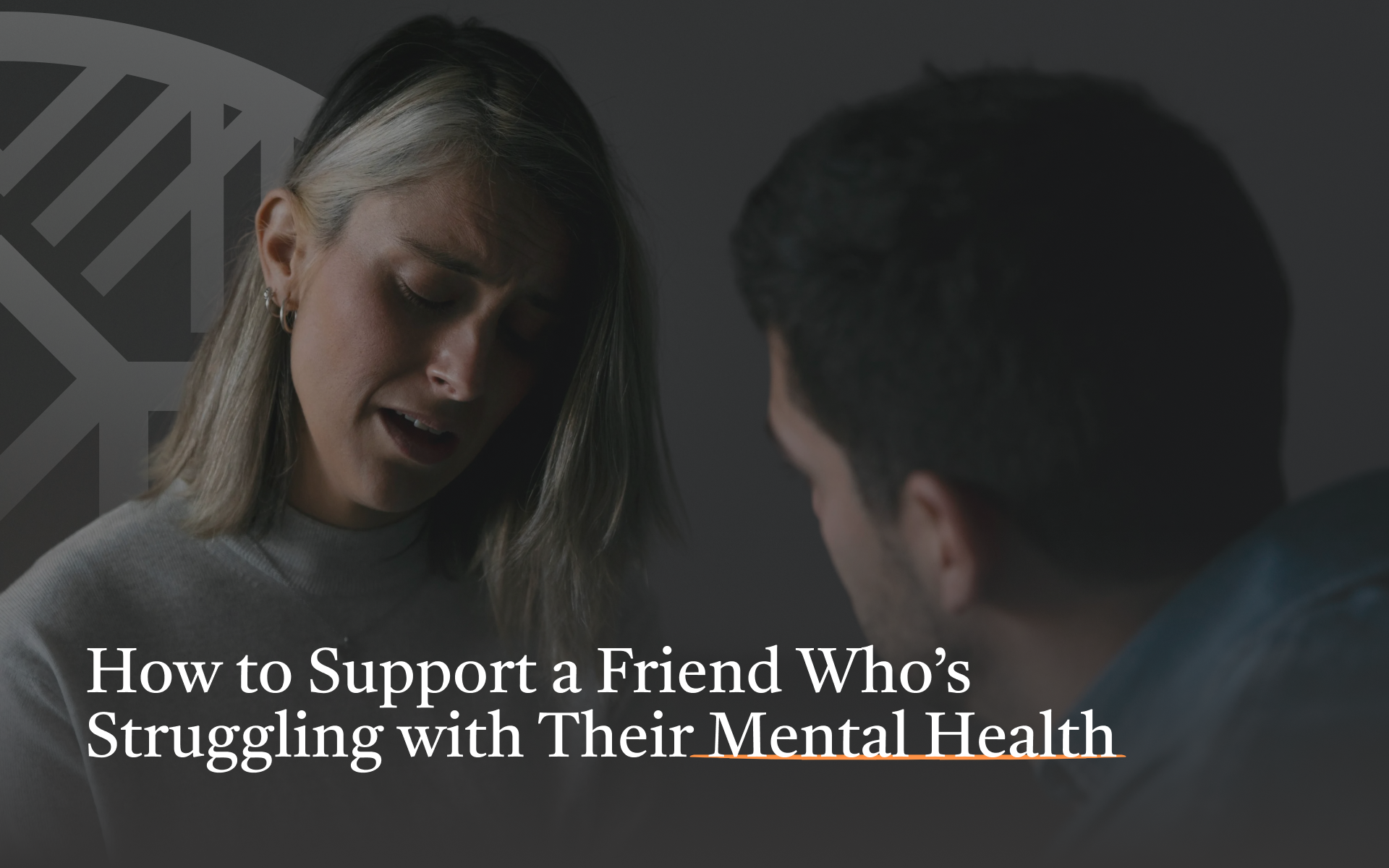
Ever had your closest friend’s name flashing on your phone with the words: “I don’t think I can keep going.”
Your chest tightens instantly. Fear and love crash together all at once.
Yet at the same time, a thought crossed your mind: they reached out to you because some part of them still believes tomorrow can feel different.
When it comes to it, you don’t need the right words to say to your friend. You just need to show up.
And if you are still confused about how to support a friend struggling with their mental health, read below.
Spotting the Gentle Warnings
Before you swoop in trying to fix someone, learn to notice when they’re actually struggling.
Don’t wait for your friend to completely lose it in the middle of class or blow up over something tiny like cancelling dinner plans. Look for the quieter signs;
- They stop laughing at the jokes they once loved.
- Their eyes look tired every morning.
- They wear the same comfy hoodie for days.
- They watch every story but never reply to messages.
- “I’m just tired” becomes their answer to everything.
These are pleas for attention and help. Try to notice them in your loved one and reach out to them.
Starting the Conversation
You already know something’s wrong, but it’s all guesswork because your friend won’t say a word.
So yeah, you’re the one who has to start the conversation.
It depends on the moment; sometimes talk about the weather or anything random, sometimes just say softly, “I’ve noticed you’ve gone really quiet lately” or “I miss your smile.”
They might not answer at all, or just give a one-word reply and end it. That’s completely normal.
Don’t push them, and don’t leave them alone with that silence either.
Try again after a few hours or the next day.
This gives them space and also shows you’re still thinking about them.
Listening without Judgment
If they’re actually starting to talk and open up, that’s a huge win. Now it’s time to really listen.
Put your phone away. Look at them, no big reactions, just a soft and calm face and let them speak; this is THEIR moment, THEIR weight.
Don’t bring in your own old stories, even if you think, “I went through the same thing, it’ll help them feel less alone.” The goal isn’t to show “I had it bad too.” But to let them know their feelings are real.
When they share dark or scary thoughts, your only job is to sit there and prove: “I’m not judging you. You’re safe with me.” That’s how the healing starts.
Be a Calm Presence
While they’re talking, watch their body language and the way they speak. It tells you what they need from you right now.
Sometimes they’ll suddenly stop mid-sentence, look at you, and wait.
That pause is them checking: “Are you still here? Are you judging me?”
Your job in that second is to show your calm presence. A tiny nod, gentle eyes, maybe a quiet “I’m listening” to prove you are there and they are safe with you.
Especially when anxiety hits hard, and their body goes into fight-or-flight (fast talking, shaky hands, looking away), don’t rush in with advice and just be with them.
Give them time to slow down. Your calm presence is already doing most of the healing.
Ask “What Do You Need?”
Once they’re starting to calm down or start talking to you instead of having it all over the place, that’s the moment you can gently offer help.
If you just ask, “What do you need?” they’ll probably say “Nothing” and shut down again.
Instead, give them simple choices so they don’t have to think too hard:
- “Want to put on that stupid movie we always laugh at?”
- “Shall we go sit outside and have tea?”
- “Pizza or ice cream tonight?”
- “Want me to come over and just sit with you?”
When they pick one (even a small yes), that’s them starting to come back to life.
However, if you notice they still show no interest in any activities, and their slice is growing further, try to guide them towards professional support.
Guiding Toward Professional Support
A lot of people still treat professional help like it’s taboo. Someone needs to gently remind them that mental health works exactly like physical health; daily routines and surroundings affect it.
A friend can hand over a Panadol for a headache, but that friend can’t do brain surgery. Same with mental health; friends can give emotional support and love, but deep healing needs a professional.
If your friend doesn’t have the energy right now to book an appointment themselves, that’s completely okay. Sit beside them, explore options together, and guide them towards trusted mental health support platforms like Mindful Ummah.
No rushing, though. When they feel ready, they’ll press the “book appointment” or “call” button themselves, so it never feels forced, only supported.
Also Read: When Self-Care Isn’t Bubble Baths: What Mental Health Support Really Looks Like
Everyday Ways to Lighten the Load
Even after the appointment is booked, the mind starts throwing all kinds of negative thoughts:
‘What if they judge me?’ ‘What if it doesn’t help?’
That’s completely normal. The brain gets loud right before something brave is about to happen.
So, check in on your friend every day. Nothing intense. Keep it subtle and light.
- Send a quick voice note: “Hi! Sending quiet support and good vibes. Love you.”
- Offer to sit with them while they get ready for the day, or drive them wherever they need to go.
- Save the Mindful Ummah booking link on their phone.
- Text the night before a session: “Tomorrow you get to hand some of this weight over, so proud of you.”
These small acts of kindness prove that you see them, and you are here for them.
Stay Close
Healing isn’t a straight line. There will be beautiful days and brutal ones. Keep noticing the small wins, like your friend cracking a joke or the therapy appointment they kept. You are already their safe place. By guiding them toward regular appointments with Mindful Ummah, you can turn a cry for help into lasting healing.
Reach out today.
Guide your friends towards professional support now.
Frequently Asked Questions
What support would be given to someone with mental health concerns?
Someone with mental health concerns may receive emotional support from friends, family, or trusted people who listen without judgment. Professional support can include therapists, counsellors, doctors, or faith-based platforms, such as Mindful Ummah, which provides a safe space for wellbeing.
What are the 5 C’s of mental health?
The 5 C’s commonly include Connection, Contribution, Coping, Calmness, and Confidence. These principles help promote resilience and emotional balance. Practising them regularly supports a healthier mindset and stronger well-being.
How to help someone struggling with mental health?
Start by listening without judgment and allowing them to share at their own pace. Encourage them to seek professional support from trusted platforms like Mindful Ummah. Checking in regularly reminds them that they’re not alone.
How to ask for help with your mental health?
If you are struggling with mental health, seek immediate help. Choose someone you trust and express honestly that you need support. You can also reach out to a supportive platform like Mindful Ummah. If talking feels difficult, writing a message or contacting a mental health professional directly can be a helpful first step.
What not to say to someone who’s depressed?
Avoid saying “Just cheer up” or “You’re overreacting,” as these can make the person feel dismissed. Don’t compare their situation to others or suggest their feelings aren’t valid. Instead, focus on listening, validating their emotions, and offering calm support.